Redefining Chinoiserie: Chinese–French Encounters in Natural Knowledge, 1830–1870
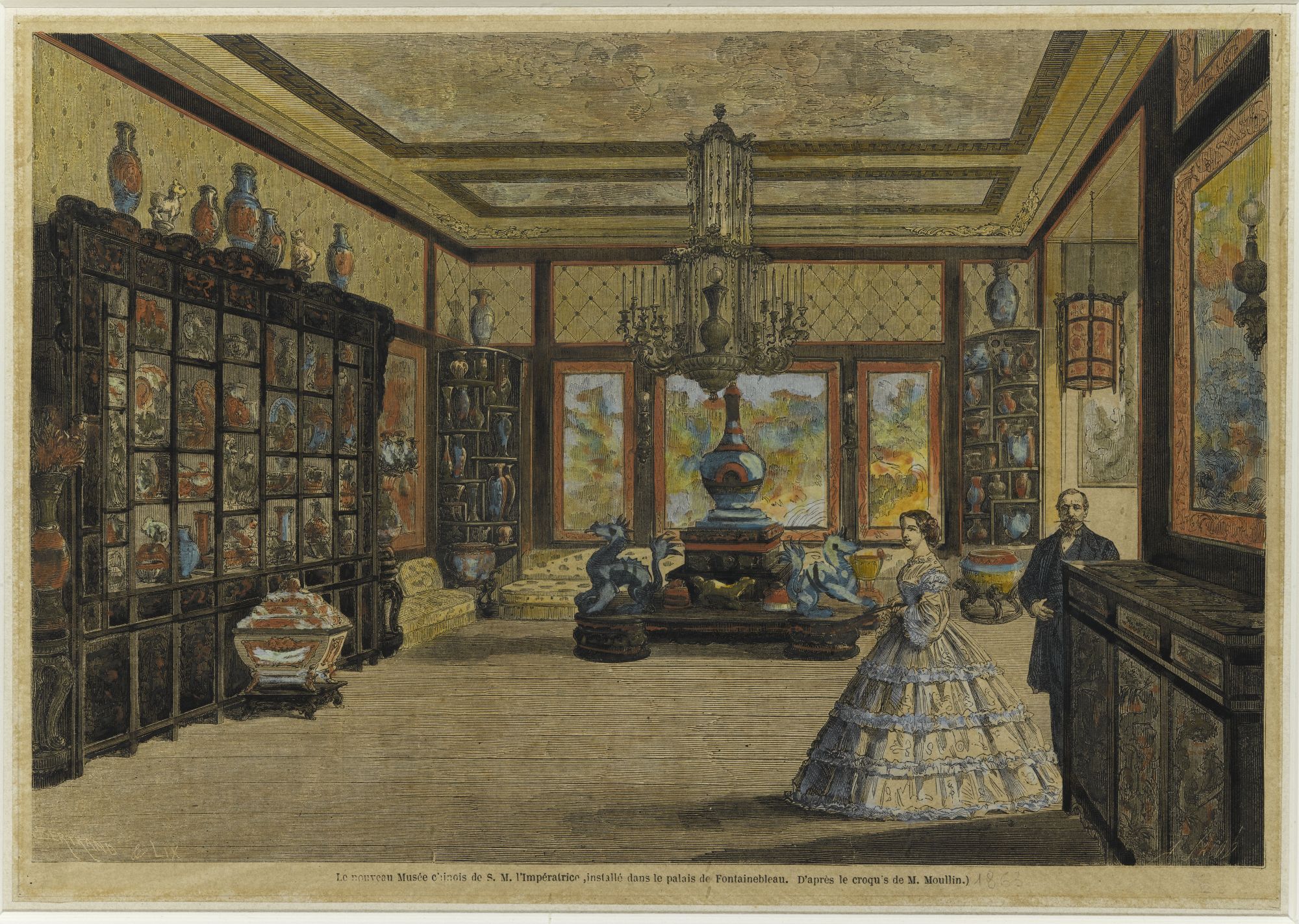
In recent years, scholarship in the history of science and global history has shown growing interest in the interplay between Orientalist discourses and the circulation, translation, and adaptation of non-European knowledge. From the July Monarchy to the end of the Second Empire, France witnessed a renewed interest in exoticism and chinoiserie. This trend entailed not only popular and elite enthusiasm for Asian art and culture, but also sustained engagement with the Chinese language, natural history, agriculture, and craft techniques. The signing of the Treaty of Whampoa in 1844 further institutionalized and facilitated these Sino-French exchanges. My study examines these bidirectional flows of knowledge that were asymmetrical and intertwined with missionary expansion and the treaty-port system.
Drawing on sources from French and Chinese archives, my project brings together missionary diaries, diplomatic correspondence, natural history journals, technical treatises, specimens, and visual materials.
Subthemes
- Missionary collecting and natural history in the Sino-Tibetan borderlands
- The acclimatization of Chinese animals in metropolitan France and the French colonies
- French Sinological translations of Chinese technical knowledge